Colorado Solar


Understanding Solar in Colorado
Understanding solar energy in Colorado begins with recognizing the state's unique position for solar power adoption, thanks to its over 300 days of sunshine a year, which provides an excellent resource for harvesting solar energy. Colorado is committed to expanding its renewable energy resources, and solar power plays a pivotal role in this growth.
The state has put forth a variety of incentives to encourage residential and commercial solar installations. Colorado's Renewable Energy Standard requires that a certain percentage of the electricity sold by investor-owned utilities come from renewable energy sources, which supports the development of solar power.
Homeowners in Colorado can take advantage of local incentives such as net metering, which allows them to earn credits on their utility bills for excess energy produced by their solar panels. Additionally, the state offers property tax exemptions for solar installations, meaning the value added to a property by solar panels doesn't increase property tax bills.
How Solar Works
Solar panels convert solar energy into electricity. They work by absorbing the solar rays from the sun and then converting them to an electric current that is sent to your home or business. The solar power can be used instantly, saved for later use, or sold back to the grid depending on how you configure your solar system!
The amount of solar energy solar panels can generate depends on the solar panel size and how much direct sunlight they are able to capture. The more solar electricity you use, the more solar power is used!
In Colorado, solar panels work in a variety of different conditions and can be used any time, no matter what the weather is like outside! Solar panels in Colorado will generate power even if it's cloudy out or at night.
Your Home Solar Options
When it comes to solar power, your home is one of the best places for you to start. Solar panels in Colorado are a good way to generate renewable energy and save money over time!
There are three main types of solar systems: stand-alone photovoltaic (PV) systems using string inverters or microinverters, grid-tied solar systems with battery backup inverters or without battery backup inverters, and off-grid photovoltaic (PV) systems.
To help you make the best choice, it's important to understand all the different solar panel options available.
Solar energy is the newest way to lower your electricity bill. Here are three of the most popular options, explained in more detail below:
-
Purchase a solar system (with cash or a loan) and own both the system and all the power it produces
-
Lease a system, usually for a monthly rate, and own all the power it produces
-
Enter a “power purchase agreement” (PPA) to buy (in price per kWh) the electricity the system produces
Purchase
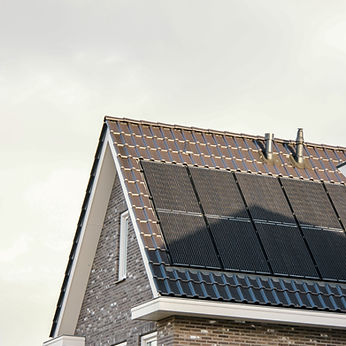
You're going solar! When you buy a system, you become the owner of the system and enjoy all the benefits from the electricity it produces. The cost of upkeep varies depending on your provider, but most residential solar systems require little to no maintenance, and some providers offer maintenance services on purchased systems.
Solar panels can be an expensive initial investment, but they are also an investment in the future. Solar panels can lower your utility bills and reduce environment-damaging emissions. And, in most jurisdictions, you can benefit from tax credits or other incentives that promote solar energy. If you do decide to sell your home, you may list the solar power system in the sale just like any other major home component.

Lease
In many markets, you can lease a solar system for a set time period. The solar company owns the system, leases it to you, and is responsible for maintaining it. You make monthly payments to the solar company at a specified rate for use of the system.
Some solar vendors will allow you to get installation and equipment leasing at no up-front cost (“no money down”), though this doesn't mean the system is free. Some companies also offer customers a financing option that allows them to purchase the system after a specific timeframe. A third-party-owned system means the company that installed your solar panels owns them and you will enter into a power purchase or leasing agreement with the company in order to use the solar energy to offset your electricity cost. Make sure you ask questions about whether these agreements are transferable if you plan on selling your home in the future.

Power Purchase Agreement (PPA)
From a consumer’s perspective, a power purchase agreement (PPA) is very similar to a 30-year lease contract. Under the terms of the PPA, you pay for the units of electricity generated by your new solar system rather than leasing the entire system and paying an up-front fee regardless of how much energy it actually generates. A PPA is a contract between you and the company that owns the solar panels. The benefits to a PPA are similar to those of going solar under a lease agreement: no equipment costs, which reduces your upfront investment in the system and lowers or eliminates your monthly electricity bills.
A power purchase agreement, or P.P.A., is also a third-party ownership arrangement because the solar company owns the system; however, some companies give you the option to buy back the system after a certain period of time has passed. You’ve got options for when you sell your home, so make sure to ask about PPA fees at the time of installation.
Colorado Tax Credit
In Colorado, homeowners are supported in their transition to solar by various local rebates and incentives provided by utilities and community programs. While the following are two prominent examples, you should investigate all the opportunities specific to your locality:
-
EnergySmart Colorado: Homeowners in select areas, including Pitkin and Eagle counties, Eagle Valley, the Town of Vail, and Summit County, can receive rebates ranging from $400 to $2,500 for installing solar panels, with the exact amount depending on the location within the program's purview.
-
Holy Cross Energy: This utility offers its customers a rebate that reduces the cost of solar installations based on the system's capacity. For the initial 6 kilowatts (kW) of a system, customers are eligible for a $500 per kW rebate. For an average system size of 6kW, this incentive can lead to a reduction of $3,000 in upfront installation costs, making the switch to solar more economically feasible.
Details of Colorado Solar Incentives
Federal Solar Investment Tax Credit (ITC)
Remember to factor in federal solar incentives when calculating the cost of your solar system. The federal government offers a Residential Clean Energy Credit, previously known as the investment tax credit (ITC), which allows you to deduct 30 percent of the cost of installing a solar photovoltaic (PV) system from your federal taxes. This significant deduction is only available to those who purchase their system outright, whether by cash or through solar financing like a loan. However, it's important to have a sufficient tax liability to make the most of this credit—unless you are a tax-exempt organization, in which case you may qualify for a direct payment instead.
Colorado Electricity Rates
Electricity rates in Colorado have traditionally been lower than the national average, but they have been on an upward trend, reflecting a pattern seen across the United States. As of my last update, the average residential electricity rate in Colorado was around 12.02 cents per kilowatt-hour (kWh), compared to the national average which was about 13.31 cents per kWh.
Colorado Net Metering
Net Energy Metering (NEM) is a billing mechanism that credits you for the surplus electricity that your solar system feeds back into the grid. Using a bi-directional meter, NEM tracks the energy you draw from the grid and the excess you generate. When your system's output exceeds your home's electricity needs, the surplus is injected into the utility grid, essentially storing this energy as credits in a 'virtual bank' that can be applied to reduce future energy bills. This process of selling back excess generation is governed by the rules and regulations established by your local utility commission or regulatory body, ensuring that all solar customers and those with qualified distributed generation (DG) systems can benefit from net energy metering.
Cash Purchase VS Loan: What’s Best for Colorado Homeowners?
For Colorado homeowners looking to install solar panels, choosing between a cash purchase and a solar loan involves a detailed consideration of personal financial circumstances, long-term savings, and immediate affordability.
A cash purchase means immediate ownership of the solar system, allowing homeowners to fully capitalize on state and federal tax incentives. This upfront investment typically results in the highest long-term savings since there are no interest payments to contend with, and the return on investment begins as soon as the system starts generating energy.
On the other hand, a solar loan can make going solar accessible without a significant initial outlay. With a solar loan, homeowners can spread the cost over a period, often with low-interest rates. This option allows the installation of solar panels and the enjoyment of reduced electricity bills immediately, while the system pays itself off over time. However, the total long-term cost will be higher compared to a cash purchase due to interest payments.
In essence, a cash purchase may be best for those who can afford it and wish to maximize their savings over time, while a loan is suitable for those who prefer to manage their cash flow without depleting savings or for those who may not have enough tax liability to claim all incentives at once. Each homeowner must weigh the immediate financial impact against the potential for greater long-term savings when making this decision.